
THE MERCURY PROJECT

The national manned space-flight project, later named Project Mercury was implemented on October 7, 1958 and lasted about 4 2/3 years, from the time of its official go-ahead to the completion of the 34-hour orbital mission of Astronaut Gordon Cooper on May 16, 1963.

The objectives of the project included: placing a manned spacecraft in orbital flight around the earth; investigating man's performance capabilities and his ability to function in the environment of space; and, recovering the man and spacecraft safely. At the completion of Cooper's flight, it was proved that all of the objectives were met with shining success.

After some successful and unsuccessful unmanned flights using the Atlas and Redstone rockets, Mercury-Redstone 2 was launched from Cape Canaveral on January 31, 1961, carrying Ham the Chimpanzee, America's first space celebrity. Mercury-Atlas 2, 3, and 4, all unmanned hardware tests, were completed by September of 1961. Mercury-Redstone 3 became America's first manned flight on the morning of May 5, 1961 followed by five more flights using either the Redstone or Atlas rockets to launch the astronauts into space. These manned space flights were accomplished with complete pilot safety and without change to the basic Mercury concepts. They demonstrated that man can function ably as a pilot-engineer-experimenter without undesirable reactions or deteriorations of normal body functions for periods up to 34 hours of weightless flight.

These six Mercury Flights were as follows:

Mission CrewDate
Mercury-Redstone3 Shepard May 5, 1961
Mercury-Redstone4 GrissomJuly 21, 1961
Mercury-Atlas6 GlennFeb. 20, 1962
Mercury-Atlas7 CarpenterMay 24, 1962
Mercury-Atlas8 SchirraOct. 3, 1962
Mercury-Atlas9 CooperMay 15 & 16, 1963

The first seven astronauts, selected from an initial group of 110 military test pilots through an extensive testing and screening process, were introduced on April 9, 1959 at a press conference in Washington, D. C. by the NASA Administrator. They were to be called "astronauts," as they were to sail into a new, uncharted ocean. These astronauts were:

Alan Shepard (USN) Gus Grissom (USAF)
John Glenn (USMC) Scott Carpenter (USN)
Walter Schirra (USN) Gordon Cooper (USAF)
Deke Slayton (USAF) Jose Jimenez (The 8th Astronaut)
These first seven American astronauts were an admirable group of individuals chosen to sit at the apex of a pyramid of human effort. In training to transcend gravity, they became a team of personalities as well as a crew of pilots. In volunteering to entrust their lives to Mercury's spirit and Atlas' strength to blaze a trail for man into the empyrean, they chose to lead by following the opportunity that chance, circumstance, technology, and history had prepared for them.


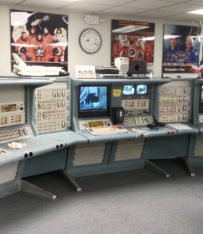
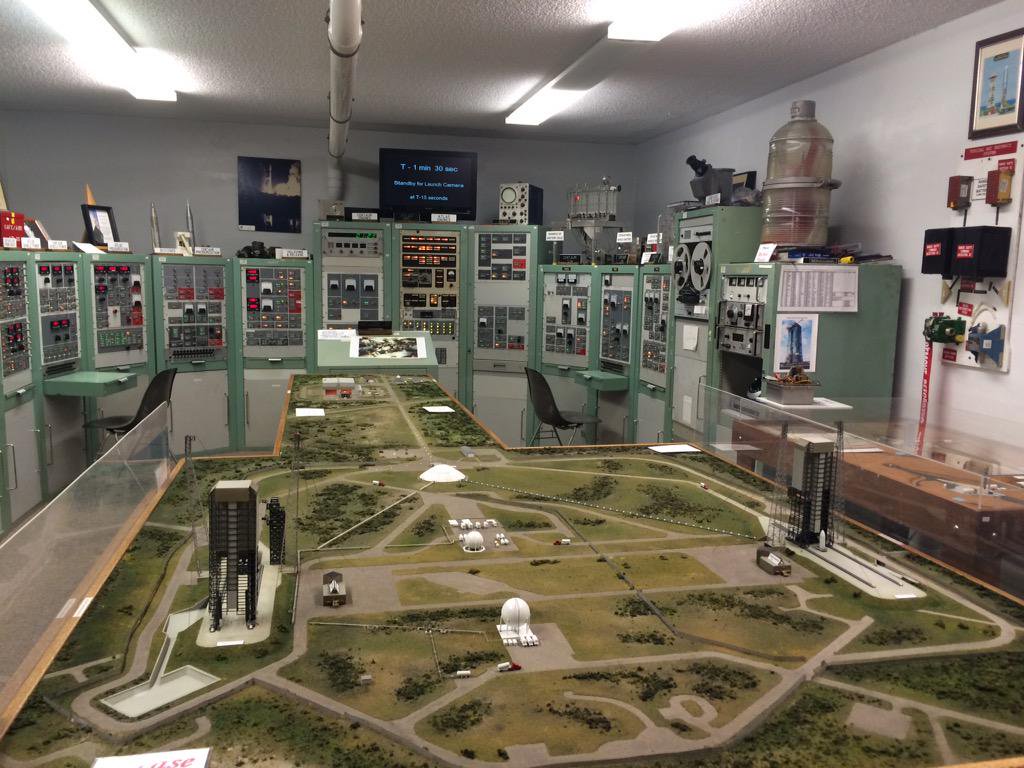
The U.S. Space Walk of Fame Foundation would like to express our sincere gratitude to the following for their generous support in making the Mercury Exhibit possible.


Sandmeyer Steel Company Web Site


Badcock Home FurnishingsLoys Ward Associates
BAMSI, Inc.McCotter Ford
Bray, Beck & Koetter Paul's Smokehouse
Corporate Property Group, Inc. Ron Norris Buick - Honda - GMC Truck
Dirt Shirts International Schenck Beverage
EG&G Florida, Inc. Space Coast Advertising
Fischer Pontiac - Oldsmobile - Nissan The Job Place, Inc.
Florida Coca Cola Bottling Co. Titusville Florist and Plantery
Janet's Cafe' Orleans T.W. Recreational Services
Kloiber's Cobbler and Eatery WHKR Radio
Lockheed Martin Space Operations Co. Wiltech Corporation

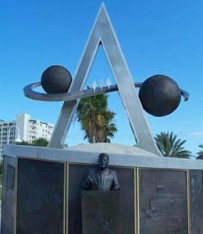
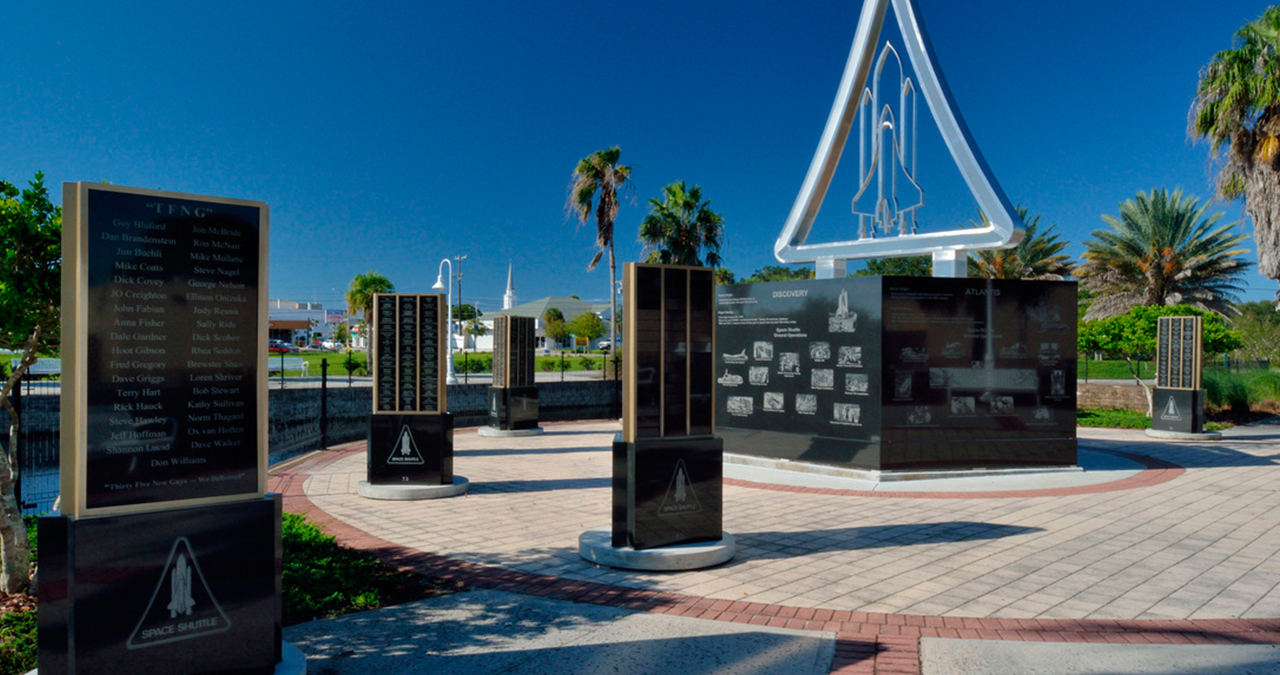
Everyone who was involved in the Historic Mercury Project deserves to have their name enshrined on the Space Walk Of Fame Monument.

If you know any personnel involved with the Mercury program that would like to be included, please download and complete the form below.

Family or friends may also purchase an engraving for a program worker......
- Click HERE For Monument Engraving Form -

- Click HERE To Review Engraved Names-

NASA's Mercury Program history page

Copyright © 1996-2002 U. S. Space Walk of Fame Foundation


zoo sex, gay horse sex, sex horse,